Skip to content


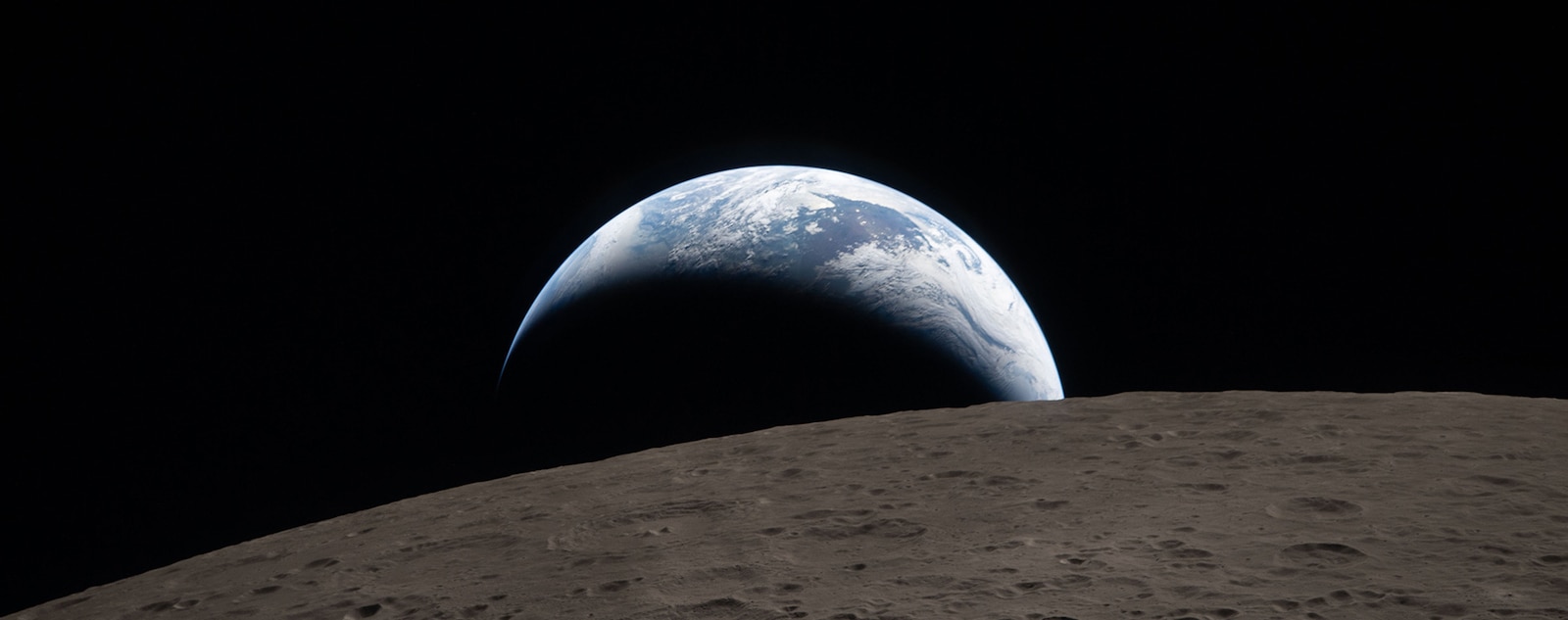
Earthset captured through the Orion spacecraft window

JOBST Defies Gravity with NASA

Image Credit: NASA

JOBST Defies Gravity with NASA

JOBST compression garments were included in the successful NASA mission to the other side of the Moon. Artemis II was NASA's first crewed mission to orbit the Moon in over 50 years. But why would compression garments be worn under the Orion Crew Survival System suit, and what does that mean for wearers of compression garments back on planet Earth?

The whole world watched as NASA’s Artemis II mission ventured to the other side of the Moon and back. The excitement was heightened for JOBST because our specially designed gradient compression garments were also part of the mission.

Countering orthostatic intolerance

Upon entering the weightless environment of space, an astronaut’s blood moves upwards from their legs to the upper body and head, and blood volume decreases within the first 24 hours of space flight. When they re-enter Earth’s gravity, blood moves back towards their lower body and the body’s mechanisms to return blood back to the heart are not as effective. 

This is called orthostatic intolerance and recovery from the effects of space flight can take several days to weeks depending on the length of the mission and the individual astronaut. 

Gradient compression garments provide pressure to assist in preventing blood from rushing downward into the lower parts of the body upon return to the Earth’s standard gravitational force following prolonged spaceflight. 

We have been privileged to work with NASA on designing orthostatic intolerance garments to be worn under the Orion Crew Survival System suit.

Back on Earth

The same principles behind why compression helps to address orthostatic intolerance are also supporting people on planet Earth with lymphedema, lipedema and venous disease. 

Gradient compression garments reduce swelling and help prevent the pooling of fluid in the venous or lymphatic systems and in spaces between the body’s cells, tissues or organs. The gradient pressure allows vessels in the circulatory and lymphatic systems to absorb more fluid from tissues. The result is increased absorption of tissue fluid and decreased swelling.

Looking to the future

Following the success of Artemis II, the Artemis III mission currently planned for 2027 will see a space crew test rendezvous and docking capabilities between Orion and private commercial spacecraft needed to land astronauts on the Moon.

As NASA continues to expand what’s possible for human exploration, we are proud to be a small but meaningful part of journeys like this, helping people perform at their very best on Earth and beyond.